When Education Meets Practice
Vocational teachers face a challenging task: preparing students for a rapidly changing world of work where technologies and procedures are constantly advancing.


This is why we organize Focus Groups meetings directly at companies within the Hradec Králové Region. Here, teachers experience actual business operations, learn about new technologies, and observe current manufacturing trends.
Open debate is equally important. Employers share their experiences with graduates, describing the competencies companies need today and identifying where students encounter their first practical obstacles.

Renata Říhová
Transfer Consultant
For educators, this is an opportunity to receive feedback while establishing personal contacts with companies that can later be utilized, for example, during student internships.
Inspiration for Teaching and Student Motivation
These meetings allow teachers to bring concrete examples from real-world work environments into the classroom. As a result, students better understand why they are learning specific skills and how they will apply them in the future.
This also strengthens the connection between schools and regional employers—a key prerequisite for preparing young people for their future careers within the Hradec Králové Region.
Focus Groups 2025: Polstrin and Farmet
In 2025, two meetings for vocational teachers were held—at the family-owned company Polstrin s.r.o. and at Farmet a.s. Each offered a different perspective on modern manufacturing, yet the core theme remained the same: how to better bridge the gap between education and practice.
Polstrin: Craftsmanship, Technology, and Sustainability
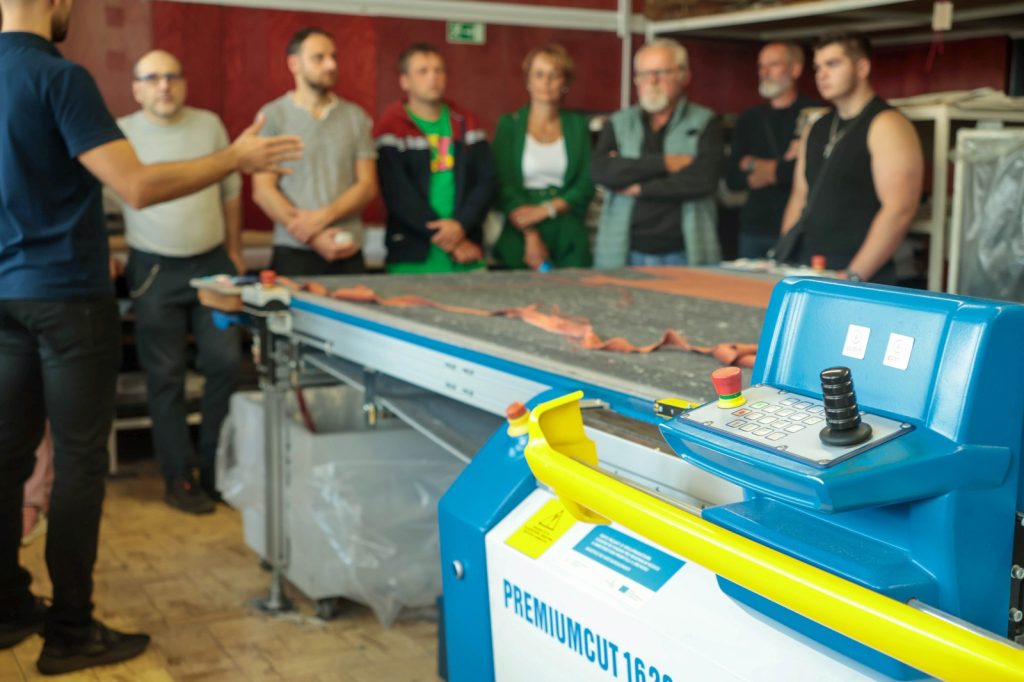
The meeting at Polstrin gave educators a look into the production of traditional upholstered sofas. Company owners Karel and Ondřej Pacák guided participants through the entire process—from material selection, cutting, and sewing to the final assembly of the furniture.
Teachers were able to see how modern technology naturally complements manual craftsmanship, which remains indispensable for small-batch production.
Sustainability was also a major topic, focusing on product longevity and efforts to minimize textile waste. The discussion then turned to how to attract more young people to trades and how to boost their motivation for working in the industry.
Farmet: Innovation and Global Production
The second meeting was held at Farmet a.s. in Česká Skalice, a company that develops and manufactures agricultural machinery exported worldwide.
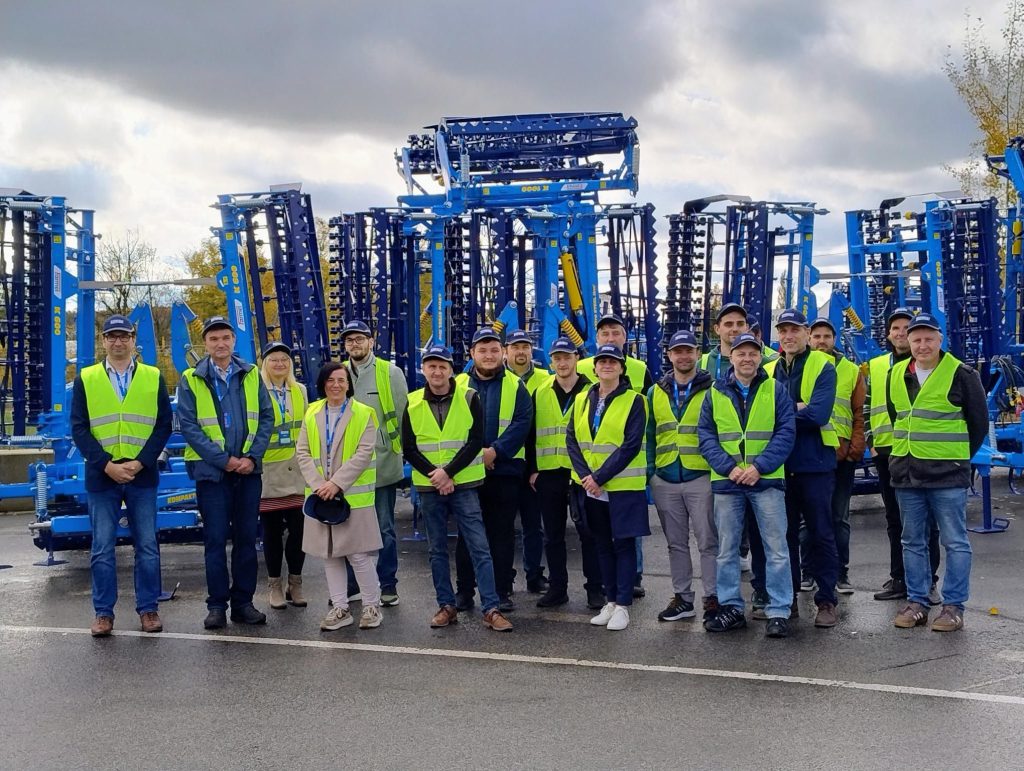


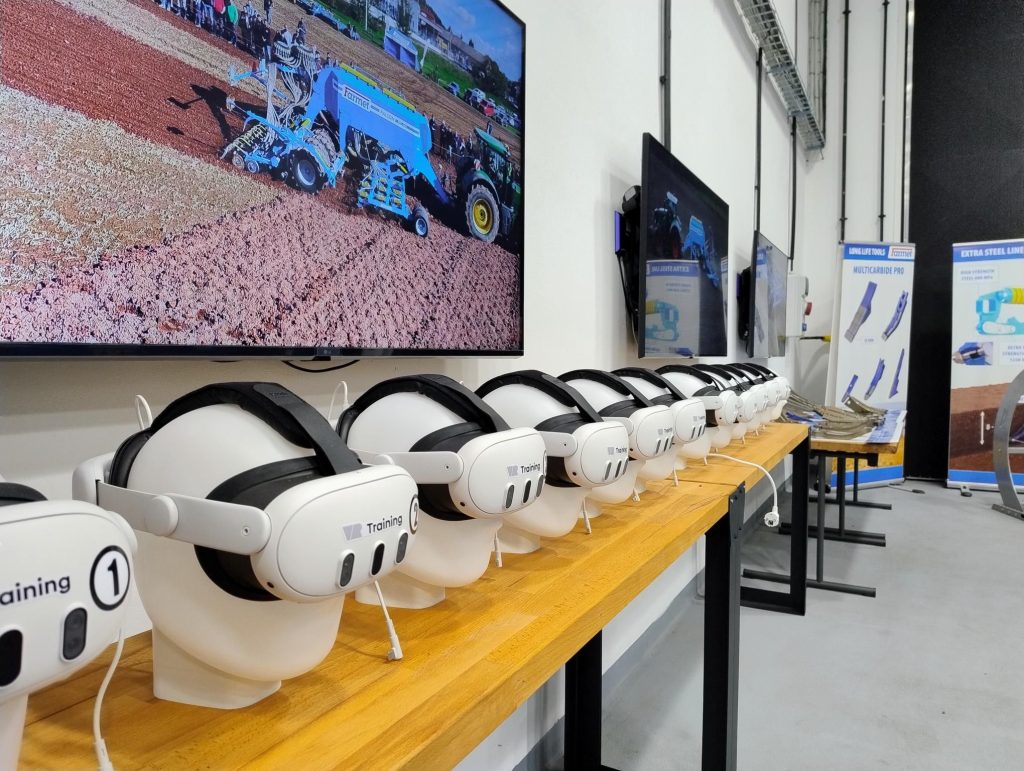
The program included a “Farmet Tour” presentation, which guided educators through the company’s history and various stages of the production process. Participants observed a modern manufacturing environment, precise work organization, and the company’s ability to respond flexibly to customer demands.
The final discussion also touched upon a key issue in modern industry: the shortage of skilled workers, particularly in technical and manual roles such as welders or machinists.
A Common Goal
These corporate visits demonstrate that the link between schools and employers is not just beneficial, but essential. Through mutual cooperation, schools can better prepare students for the realities of the labor market, while companies gain the opportunity to actively participate in shaping the next generation of professionals.